Micron Reportedly Halts Work on $4.5 Billion Taiwan Memory Plant Amid Labour Dispute
Bloomberg says the chipmaker has told Taiwanese authorities it plans to suspend construction at its Taoyuan Fab 11E site.

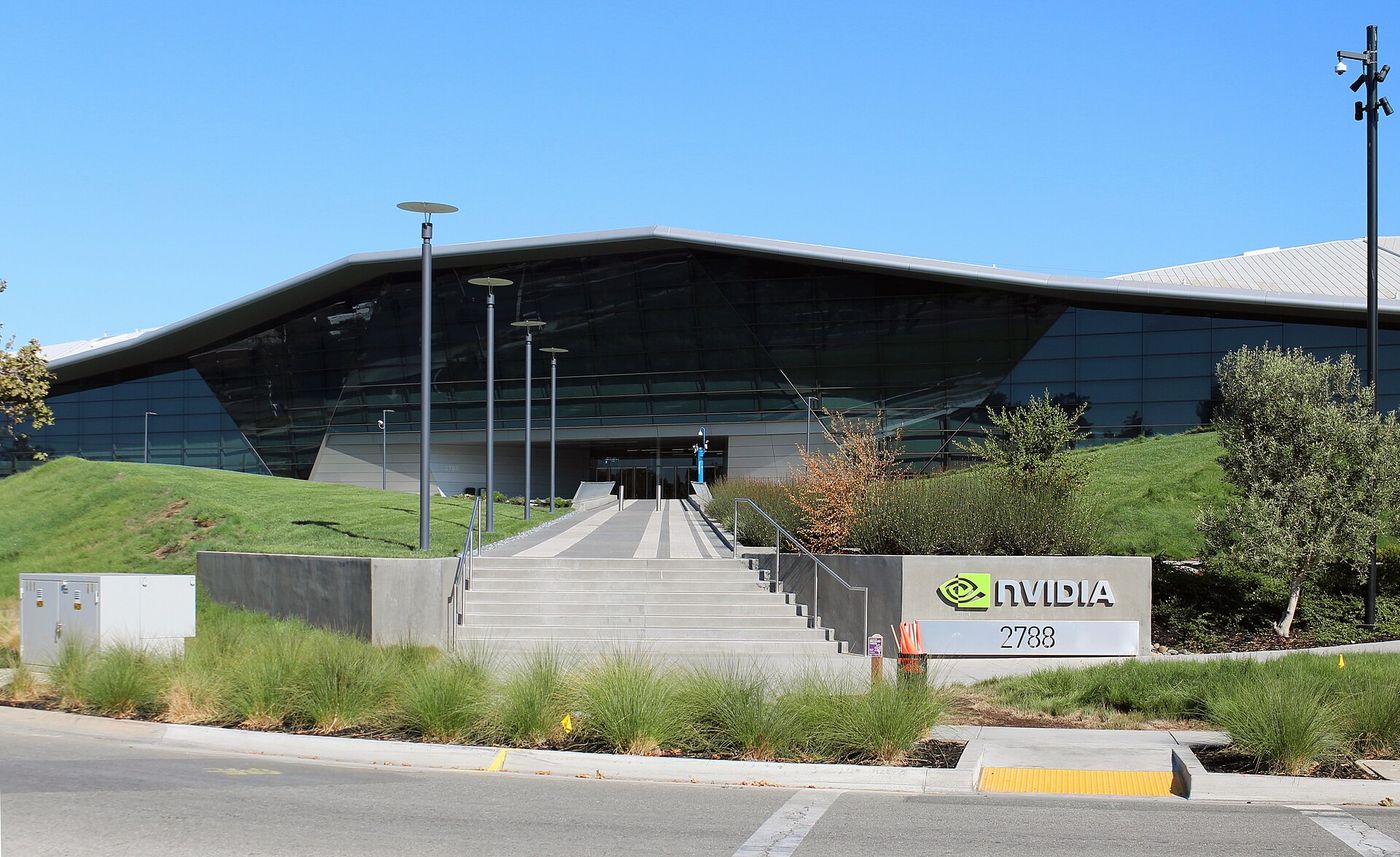
Photo: Thingreenline4546 / CC BY-SA 4.0 via Wikimedia Commons
Micron has reportedly all but stopped construction of a planned $4.5 billion memory plant in Taoyuan, northern Taiwan, according to a Bloomberg report dated November 5, 2026 and relayed by Silicon UK. Micron declined to comment on the report beyond saying its operations are running normally.
The details
Bloomberg, citing unnamed sources, reported that Micron has told Taiwanese authorities and a supplier that it intends to suspend work on the site, known as Fab 11E. Only minor safety-related work is said to continue before construction stops.
- The complex was reportedly budgeted at $3 billion to $4.5 billion.
- Production of DRAM and high-bandwidth memory (HBM) was planned to begin in 2028.
- The fab was to use lithography equipment from ASML of the Netherlands.
The labour dispute
The reported reason is a dispute with workers at Micron's existing Taoyuan facilities, who want a bigger share of the company's record profits. They point to agreements reached by workers at Samsung Electronics and SK Hynix in South Korea.
Micron struck a deal last month with the larger union at its Taichung plant. According to the report, executives fear the Taoyuan union could recruit Taichung members, form a larger group and push to overturn that agreement.
Why it matters
Micron is Taiwan's largest foreign investor, and the island accounts for about 60% of its global DRAM output and a large share of its HBM, a key component in AI accelerators. The company is also building facilities in New York, Japan and Singapore as AI data-centre demand keeps memory supplies tight.
A pause at Fab 11E would not affect current output, but it could delay capacity that was meant to come online in 2028. Neither Micron nor Taiwanese authorities have publicly confirmed the suspension, and the details above rest on unnamed sources.