US Commerce Department Issues Rule Requiring Licenses for AI Chips Used to Serve Chinese Customers Remotely
The interim final rule covers data centers worldwide, adds license requirements for five countries and rescinds the 2025 AI Diffusion Rule, according to TechCrunch.
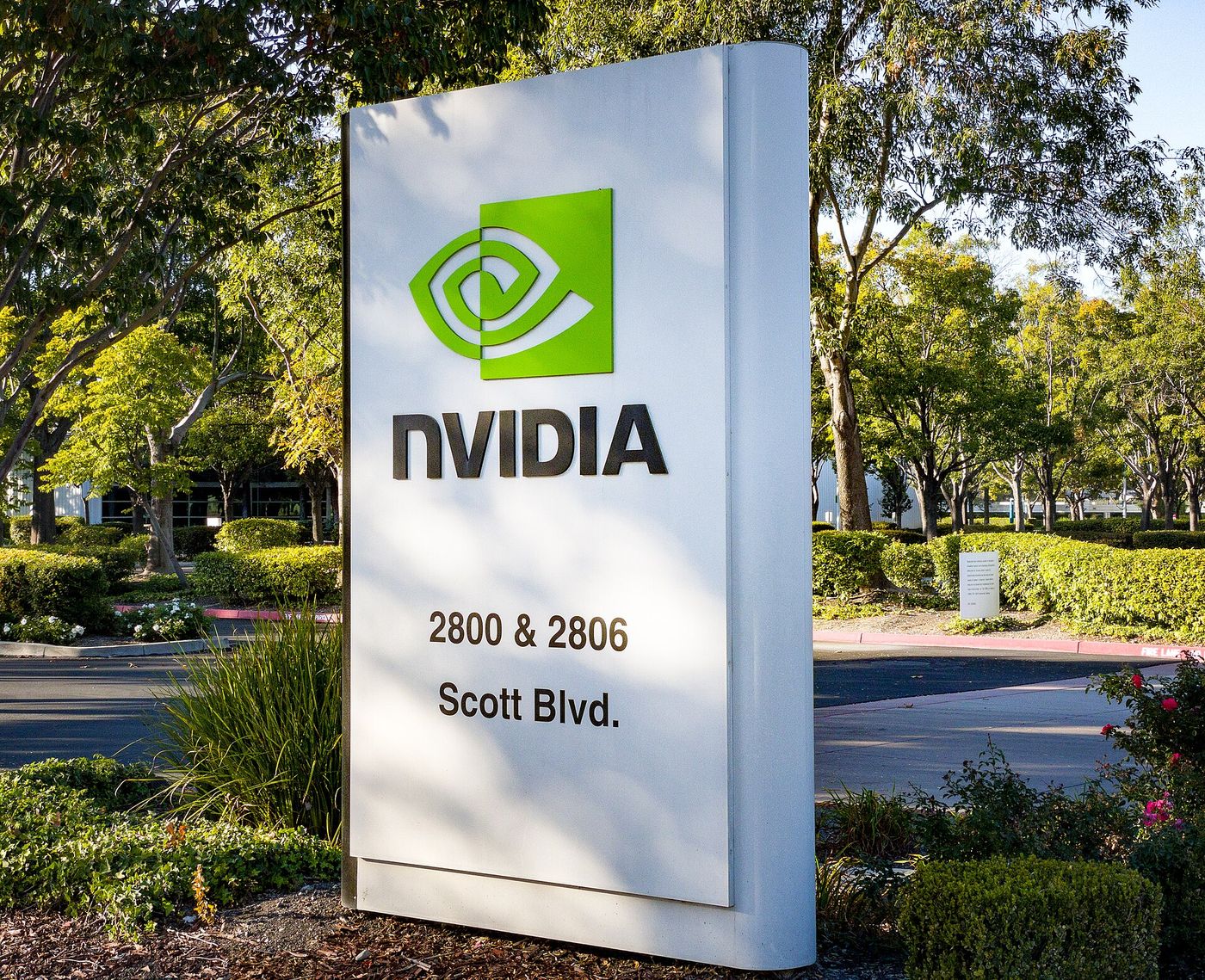
Photo: Will Buckner / CC BY 2.0 via Wikimedia Commons
The Trump administration was set to publish new export controls on Monday, November 16, that aim to stop Chinese companies from using AI chips housed in other countries to get around U.S. restrictions, TechCrunch reported. The measure is an interim final rule from the Commerce Department.
What the rule requires
Under the rule, exporting, re-exporting or transferring AI chips and servers to a data center anywhere in the world requires a license if the facility could supply computing power to companies in China or other restricted countries. The restrictions are aimed at companies based in the "D:5" group of embargoed nations, which includes China, Russia, Iran and North Korea along with 18 others, and they extend to access arranged through intermediaries or brokers.
- Exporters and data center operators must check the ownership structure and activities of customers to confirm no D:5-country entity controls them
- Facilities or networks able to deliver more than 12 million total processing performance (TPP) are covered, which TechCrunch says is roughly the peak capacity of about 750 Nvidia H100 or H200 chips
- Existing operators that provide covered services have 90 days after the rule takes effect to obtain licenses
- Commercial recommendation systems, such as those used for e-commerce or social media, are exempt
- New license requirements apply to advanced chip exports to Malaysia, Singapore, Indonesia, Thailand and Brazil, which Commerce said carry a higher-than-normal risk of diversion; shipments to U.S.-based companies are not affected
Relationship to earlier rules
The U.S. already requires licenses to ship AI chips to companies based in, or owned by firms in, D:5 countries. The new rule also rescinds the Biden administration's January 2025 AI Diffusion Rule, which set country-by-country caps on advanced chip exports. The administration said in May it would drop that framework.
In the rule text, Commerce described the new control as "a logical extension of existing controls." It said the aim is to limit companies headquartered in countries of concern from using U.S. advanced semiconductors to train advanced models, and to reduce the risk that such computing supports military and intelligence activities.
Context
TechCrunch linked the move to the recent resignation of Nvidia co-founder Jensen Huang amid a scandal involving an alleged Chinese spy tied to Megaspeed, a customer of the chipmaker. The U.S. government has reportedly wanted to put Megaspeed on a special entity list, believing it bought thousands of Nvidia chips to provide computing capacity to Chinese businesses. Reuters reported last week that Chinese AI companies were rushing to lock in overseas computing capacity ahead of tighter U.S. limits.