Germany's Cyber Agency Says Lawmakers Received Apple Spyware Warnings
The BSI told recipients to assume their iPhones may be compromised; Apple said the latest threat notifications went to users in 99 countries.

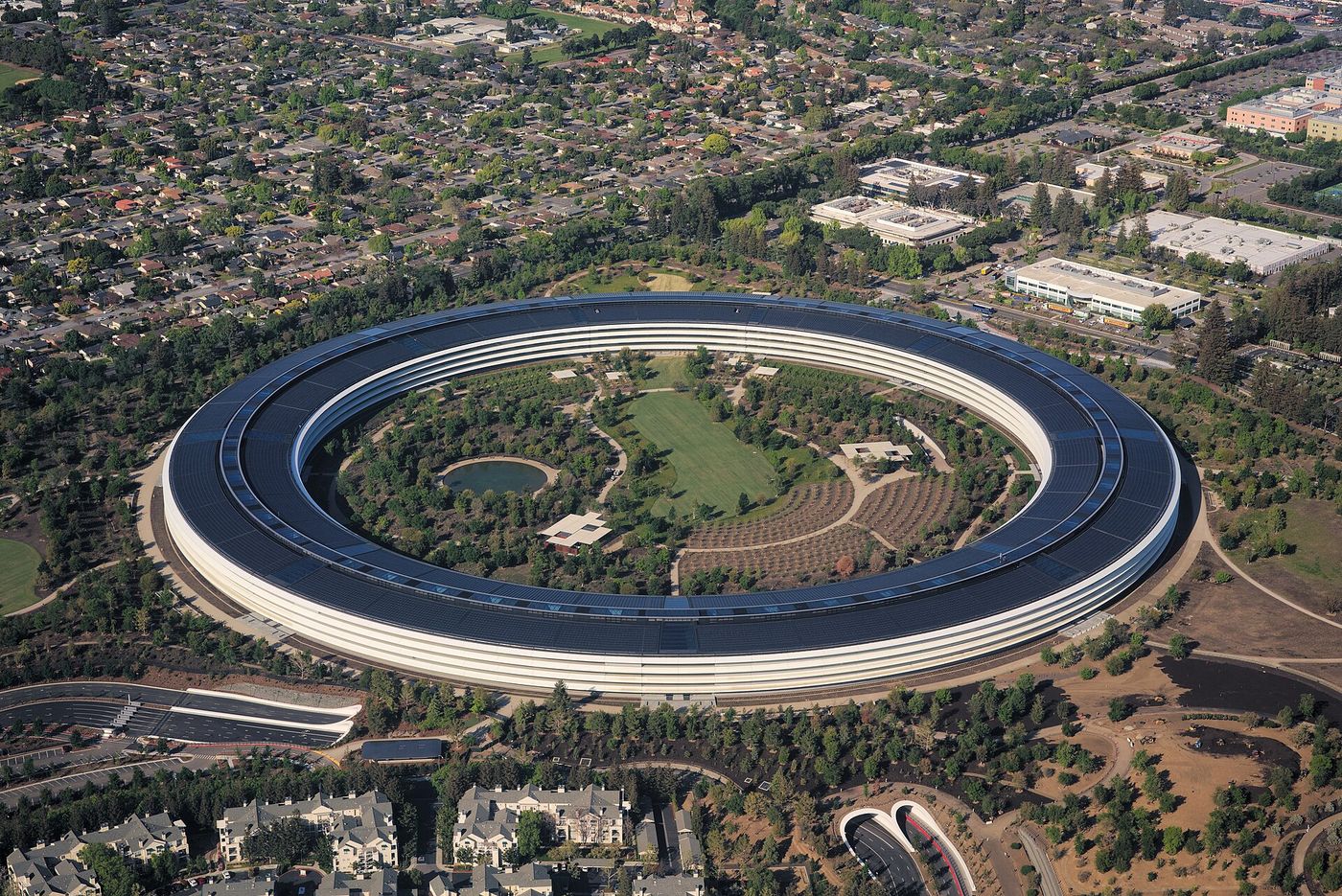
Photo: Daniel Schwen / CC BY-SA 4.0 via Wikimedia Commons
Germany's federal cybersecurity office, the BSI, has said members of the Bundestag and other unnamed prominent people received Apple notifications warning they may have been targeted by spyware, TechCrunch reported on November 2.
What officials said
The BSI made the statement in a note over the weekend, days after Apple began sending a new round of threat notifications. Because Apple does not confirm whether a given phone was actually infected, the agency advised recipients to "assume that their device may have been compromised," according to the report.
Government spokesperson Stefan Kornelius, cited by the Financial Times, said Berlin is "taking the incident and the warning very seriously." He did not say who was targeted, including whether Chancellor Friedrich Merz received a warning.
Wider notifications
Apple said the latest batch of notifications reached users in 99 countries. Radwan Mortada, a Beirut-based filmmaker previously targeted by spyware in 2021, said he received a notification about "another attack against your device."
Key points:
- Apple does not attribute attacks to specific governments.
- It is unclear who is behind this round of attacks or which government may be responsible.
- Such spyware often relies on zero-click exploits that need no action from the victim.
Context
Governments often buy commercial spyware from private vendors such as Israel's NSO Group, maker of Pegasus. TechCrunch noted that Germany's federal criminal police office, the BKA, reportedly bought access to Pegasus in 2019.
Apple's threat notification program is designed for people it believes are individually targeted by mercenary spyware, as opposed to broad criminal malware campaigns.