Microsoft Unveils Maia 300, Its Third-Generation AI Chip, for 2027 Deployment
Microsoft says the inference-focused accelerator should deliver 40% more tokens per megawatt than leading GPU-based systems, and plans multi-gigawatt Maia deployments in 2027.
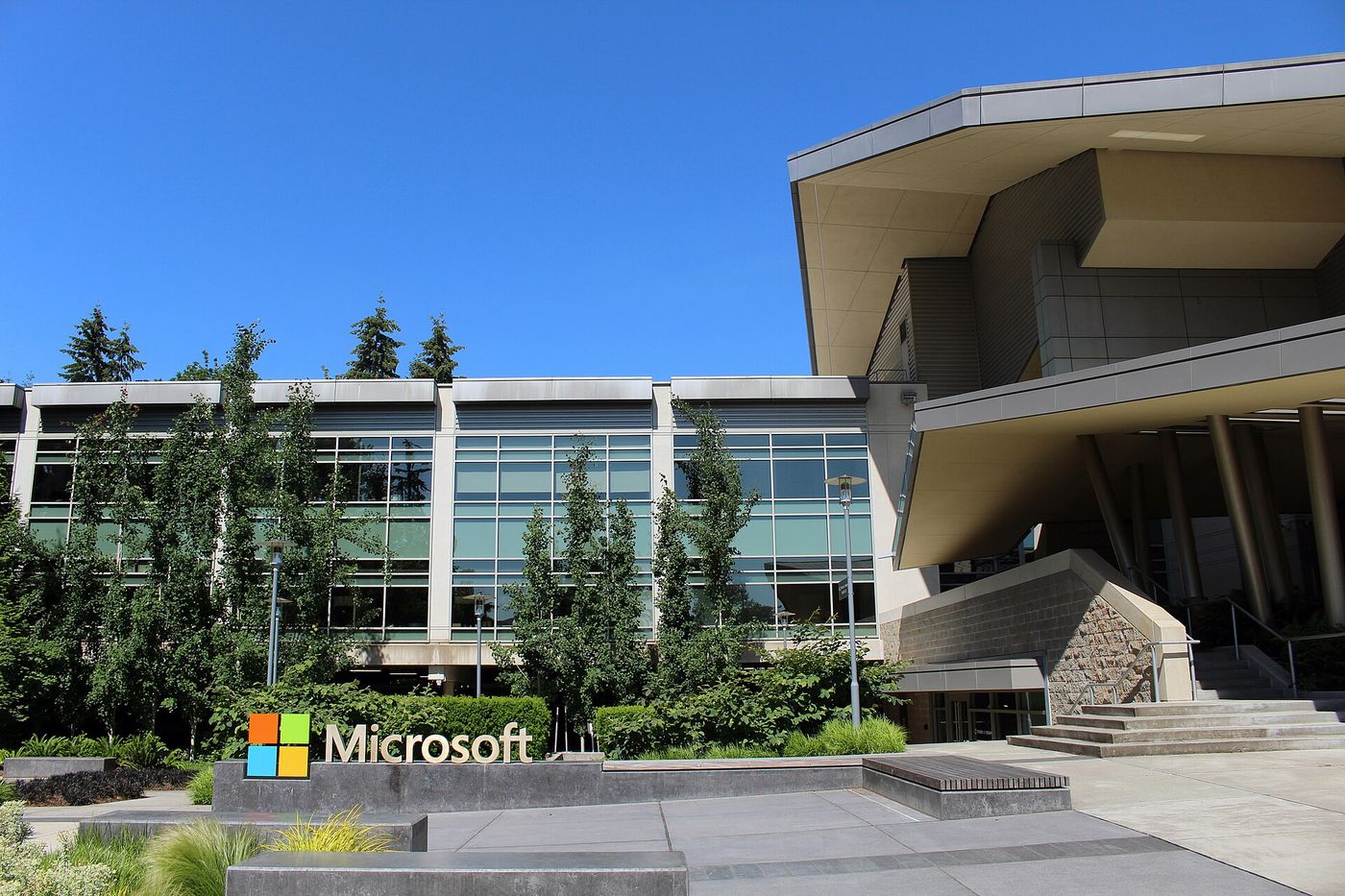
Photo: Coolcaesar / CC BY-SA 4.0 via Wikimedia Commons
Microsoft announced Maia 300 on October 12, the third generation of its in-house AI accelerator, saying it is built for inference and is planned for production deployment in 2027, according to Data Center Knowledge, which cited a blog post by cloud and AI chief Scott Guthrie.
What Microsoft claims
Microsoft describes Maia 300 as an inference-first design for "long-context, memory-intensive, and decode-heavy AI workloads." The figures below are the company's own expectations, not independent measurements:
- About 40% more tokens per megawatt than leading GPU-based systems.
- In a full 96-accelerator rack, up to seven times the rack-scale token throughput of Maia 200.
Microsoft also said it plans to scale Azure Maia deployments to multi-gigawatt levels in 2027 and to make the Maia family a primary inference system for its products and services.
Maia 200 today
The previous generation, Maia 200, is already in production in Microsoft data centers in the United States, Europe and Australia. Microsoft says it delivers up to 1.7 times more tokens per watt than leading GPU infrastructure and powers AI features in Teams, Copilot and Cowork. The company expects it to run GitHub Copilot and Microsoft Foundry by the end of the year.
Context
Microsoft still relies heavily on Nvidia and AMD GPUs for its AI workloads. Unlike Amazon Web Services, which sells access to its Trainium and Inferentia chips, and Google Cloud, which offers TPUs, Microsoft has not made Maia available to customers as Azure instances, and the blog post did not say whether that will change.
Matt Kimball, an analyst at Moor Insights & Strategy, told Data Center Knowledge that "Maia 100 was a proof of concept" and that Maia 300 is where Microsoft decided to "go big." He noted that because Maia serves mostly internal workloads, the competitive dynamics differ from a typical chip race among cloud providers.